

The Invisible Architecture: Why Hidden Patterns Exist Everywhere.
You're walking through a forest and notice the spiral of a pinecone matches the swirl of a hurricane. You flip through an old history book and see the same boom-and-bust rhythm in economies that appears in predator-prey populations. You scroll through social media and spot clusters of connections that look suspiciously like the branching of a river delta.
It feels like magic. Or maybe conspiracy.
But here's the quiet truth: mathematics is the common language beneath all of it.
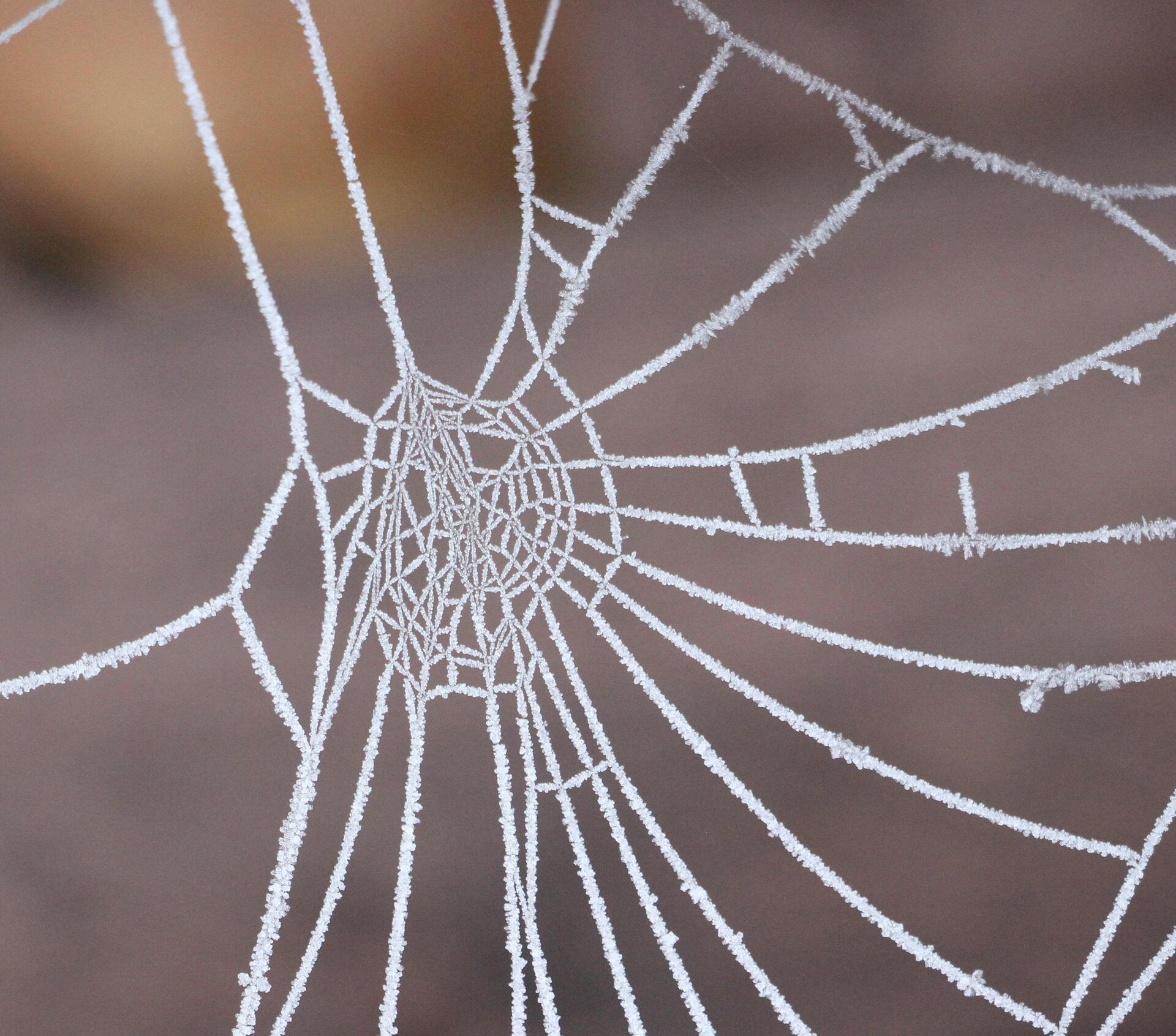
The Fascination with Threads
Welcome to The Hidden Thread. This blog exists to pull back the curtain on those unexpected patterns we stumble upon in nature, science, history, and society. And today, we're going to talk about why they're there in the first place.
The Universe Speaks in Numbers
Galileo once wrote that the universe is "written in the language of mathematics." He wasn't being poetic—he was being practical. Without math, we couldn't describe planetary orbits, predict eclipses, or understand why honeycombs are hexagonal.
What's fascinating is that this mathematical language shows up in places we never expect.
Natures Favourite Recipes
Nature doesn't have infinite options. When it comes to growth, movement, and organization, there are only so many efficient ways to do things. Mathematics reveals those optimal solutions.
The Golden Ratio (φ ≈ 1.618) appears in everything from seashell spirals to galaxy arms. Why? Because it's an efficient way to pack things together while allowing room for growth. A sunflower doesn't "know" about the golden ratio—it just grows in the most space-efficient pattern available.
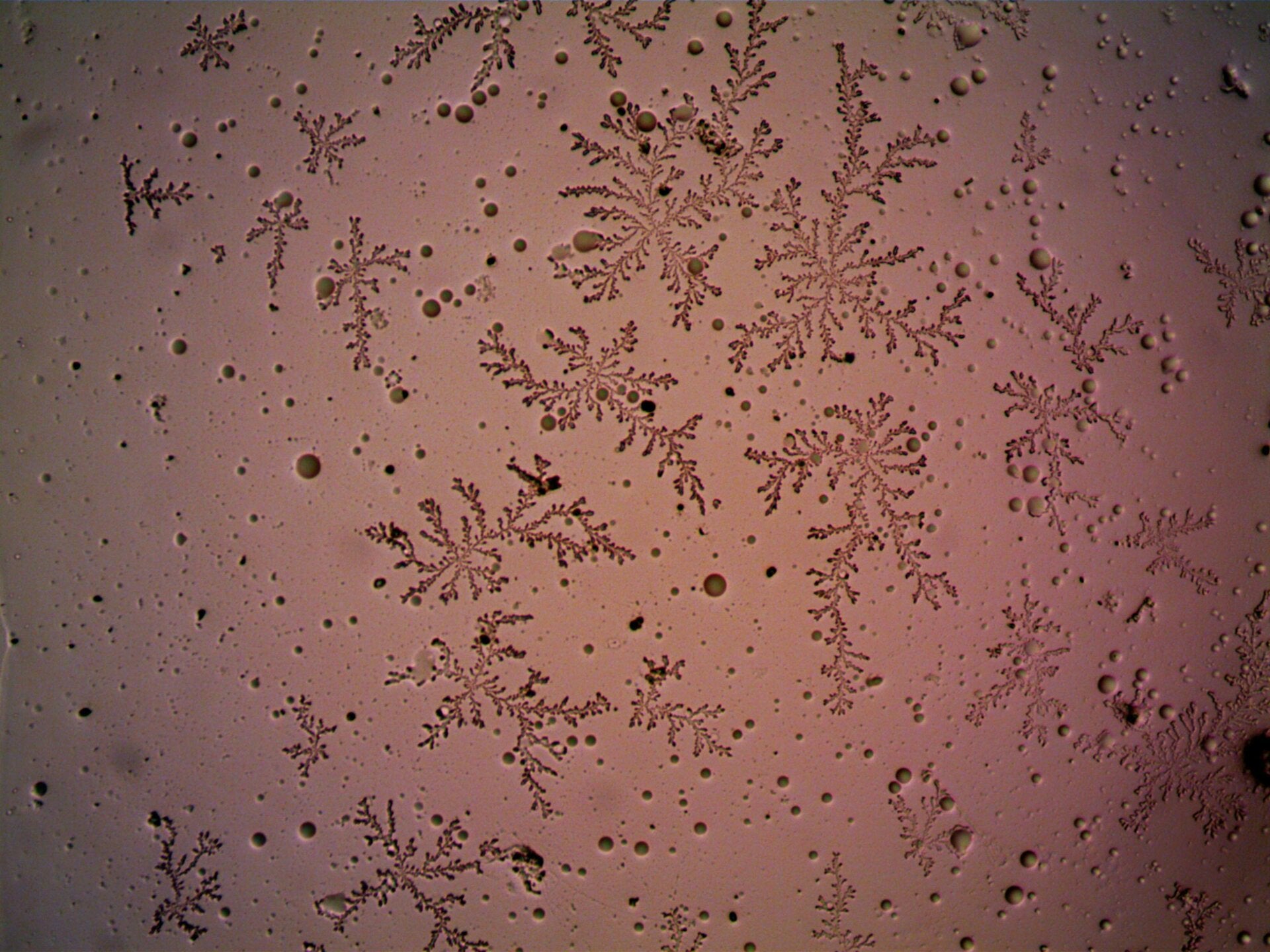
Fractals—patterns that repeat at different scales—show up in coastlines, lightning bolts, and broccoli florets. The reason is simple: self-similarity is often the most stable structure for systems dealing with limited resources.
Chaos theory teaches us that small changes can create massive effects. This explains why weather prediction is hard, why ecosystems can collapse suddenly, and why historical turning points sometimes hinge on seemingly minor events.
History and Society: The Same Old Dance
Here's where it gets really interesting. The patterns aren't just in rocks and trees—they're in human behavior too.
Economies rise and fall in cycles that resemble population booms and busts in wildlife. Cities grow according to mathematical laws that predict everything from traffic patterns to crime rates. Social movements spread like viruses through networks, following predictable diffusion curves.
This doesn't mean humans are robots. It means we're part of a larger system, and systems tend to settle into patterns based on their constraints and incentives.
Some researchers call this sociophysics. Others call it complexity science. I call it proof that the same invisible architecture holds everything together.
Why Does This Matter?
Understanding that mathematical patterns underlie these stories changes how we see the world. Here's what shifts:
- We stop seeing coincidence and start recognizing connection
- We become better at prediction because we understand the rules
- We appreciate the beauty of how simple rules create complex outcomes
- We stay humble because patterns reveal limits to our control
This blog isn't about reducing life to equations. It's about finding wonder in the order that already exists. When you know the pattern, the mystery doesn't disappear—it deepens.
A Little Whimsy
Imagine the universe as a great tapestry. From one angle, you see individual threads—each story, each species, each event. But step back far enough, and you begin to see the weave itself. The same knots appear again and again. The same colors repeat in different combinations.
Mathematics is the loom that holds it all together.
We're not just observers of these patterns. We're woven into them. Every time you choose to connect with someone, every time a city expands, every time a leaf unfurls toward the sun—you're participating in the same ancient dance that shaped galaxies.
Your Turn: Spot the Thread
You don't need a degree to start noticing patterns. Here are three things you can try this week:
- Look for spirals in everyday objects—pinecones, shells, even the arrangement of seeds in a fruit
- Track a repeating cycle in your own life (mood, energy, productivity) and note its rhythm
- Notice connections between things that seem unrelated—a news story and a natural phenomenon, for instance
The more you look, the more you'll find. That's the beauty of patterns: once you know they're there, you can't unsee them.
Stay connected
If you enjoyed this introduction to The Hidden Thread, consider subscribing to our newsletter. We send out weekly discoveries about unexpected patterns in the world around us—no spam, just wonder.
